Heritage Craft, Reimagined. Complimentary Global Shipping. Free Trade Certified.
What are the Characteristics of a Moroccan Rug?
Discover the exquisite characteristics of Moroccan rugs:
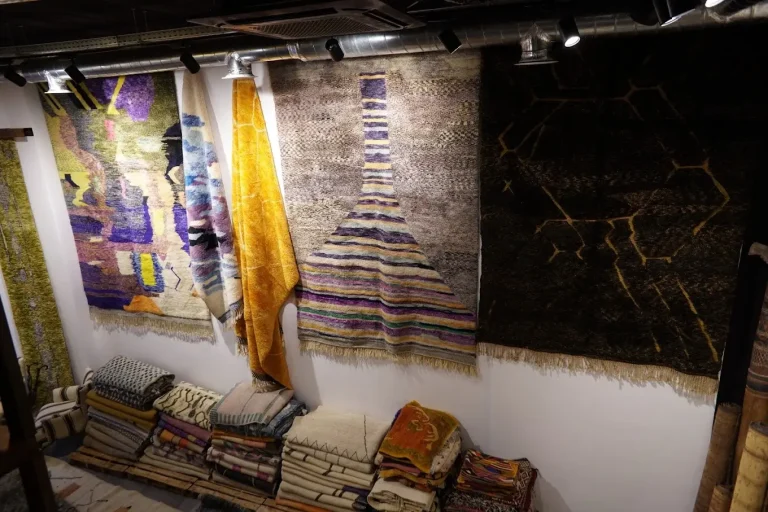
Moroccan rugs are more than just floor coverings for your home! They’re traditional, trendy, and give luxurious and aesthetic vibes that can complement any home decor. The tempting beauty has gained global attention due to their high-quality material, colors, and durability. They are crafted by Berber tribes, who travel in different climates, from the Atlas Mountains to the tropical region to the Sahara Desert. One of the main characteristics of Moroccan rugs is their high-quality material. Let’s explore their rich cultural heritage and define characteristics of a Moroccan rug that make these rugs so pretty and sought after!
Bedouin and Berber tribes of Morocco have been weaving rugs for ages, using them as bed mats, entombment covers, blankets, carpets, or wall art. Mostly, women were masters in this artisanal skill and passed it on to their generations.
Moroccan rugs are hand-made, which makes them more special. The wool comes from sheep shearing. The women collect it, wash it, and sort it out. Then boil it in a soapwort bath to clean it and sundry for a few days. The weavers were skilled in using tools like distaffs, combs, and cards, making exquisite Moroccan rugs.
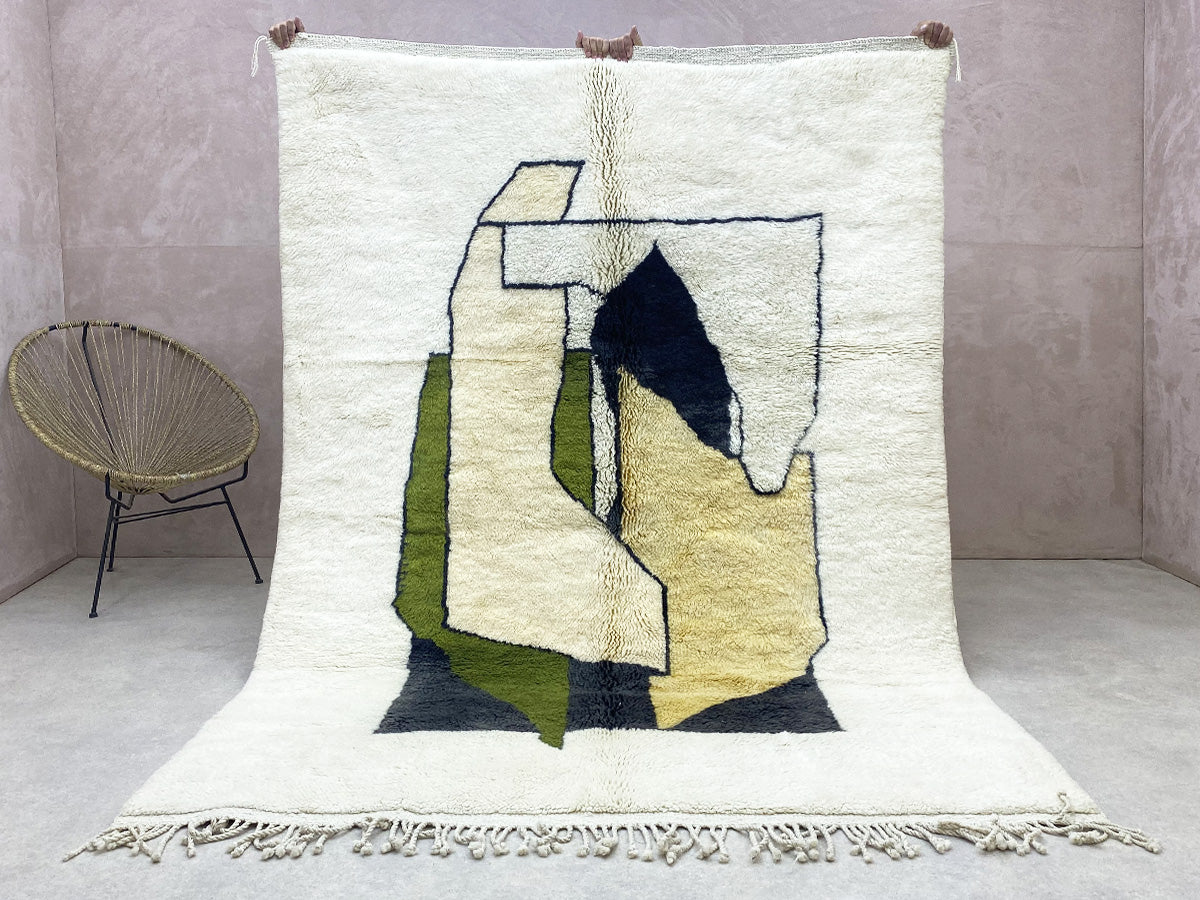
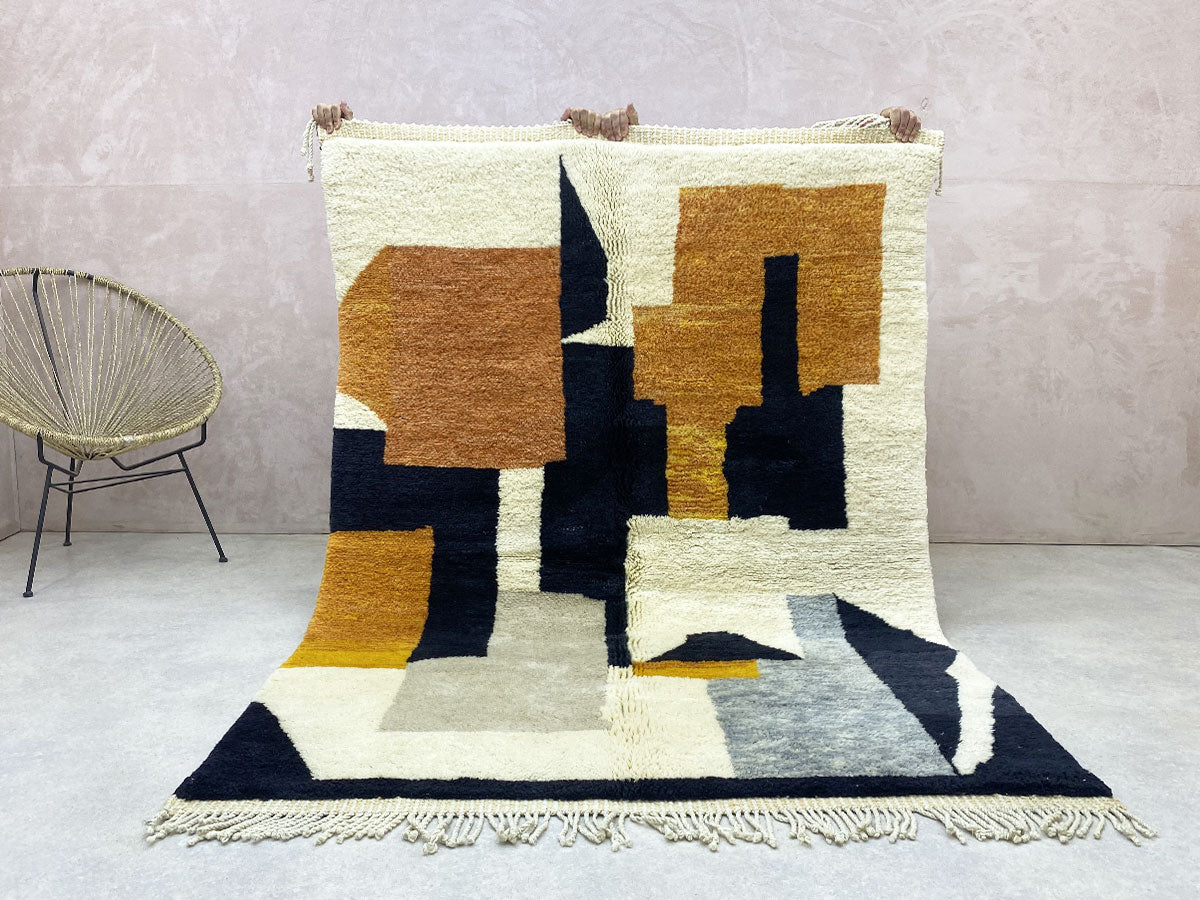
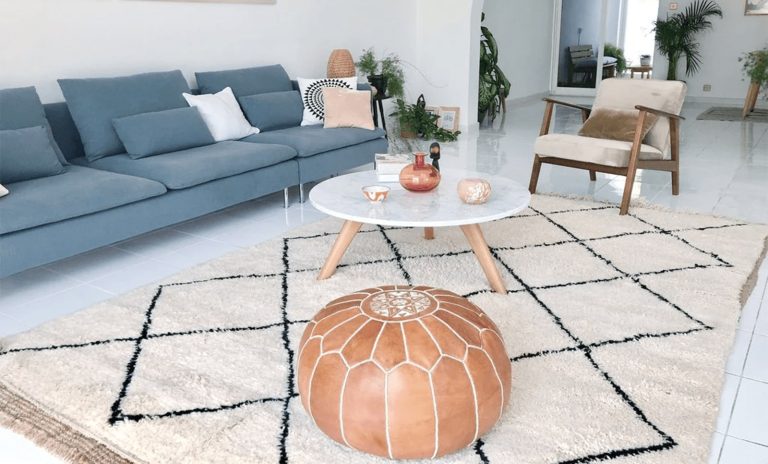
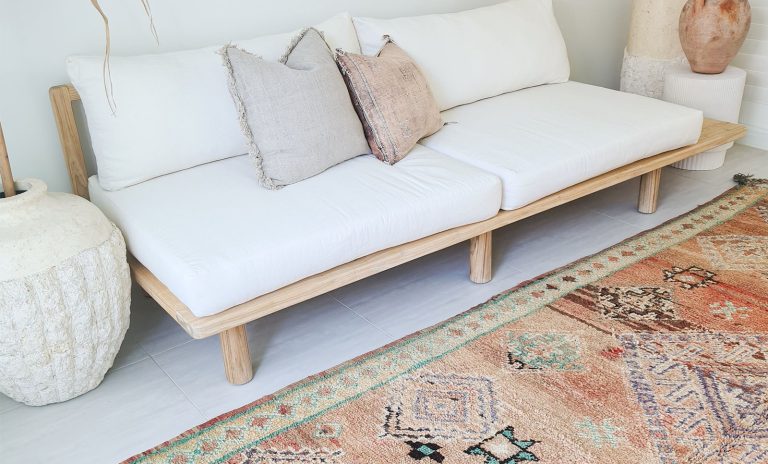
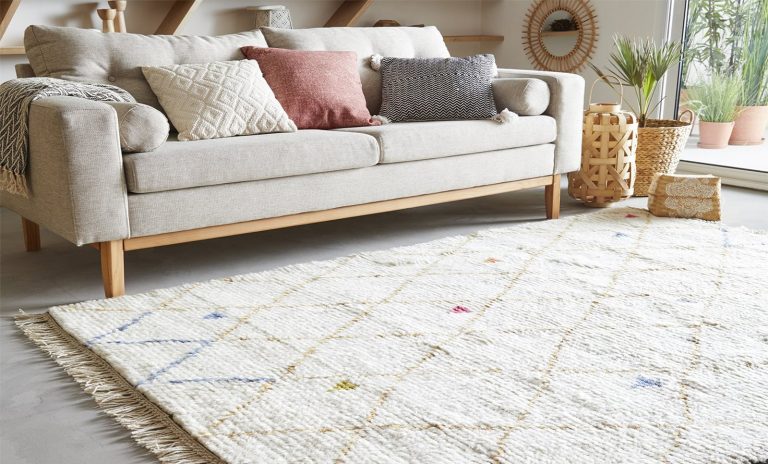
The rugs are crafted with traditional historical symbols describing local landscapes and geometric shapes such as chevrons, rhombuses, diamonds, triangles, and zigzags. They are woven without following any fixed pattern, so each design is unique, telling us a tribal story through the art, which is one of the defining characteristics of a Moroccan rug.
What Makes Moroccan Rugs High in Quality?
Materials: The rugs are made from 100% wool and some cotton. The weavers use organic pigments from henna plants, figs, pomegranates, and saffrons to dye pure white wool. Black or brown wool is popular in making luxury rugs, which is an important characteristic of Moroccan rugs.
Durability: Moroccan rugs are densely knotted with wool fibers, eight to ten knots per square meter. Their high KSPI makes them long-lasting, sturdy, and resistant to damage, demonstrating another key characteristic of a Moroccan rug.
Artistic Expression: Moroccan rugs hold a world of knowledge in their patterns, designs, and symbols, which common people can or cannot read.
On festivals or weddings, these people give the finest weaver rugs as gifts, while Blankets are gifted as Funeral gifts.
Some symbols, such as a snake and fish skeleton, represent a holy person with magical properties. For example, scissors symbolize a metal worker, and seeds represent fertility.
Explore our height quality of authentic Moroccan rugs.
The Cultural Significance:
Each Moroccan region has its own tribes, and each tribe has a specific symbol, design, and color. These distinctive patterns are characteristics of Moroccan rugs.
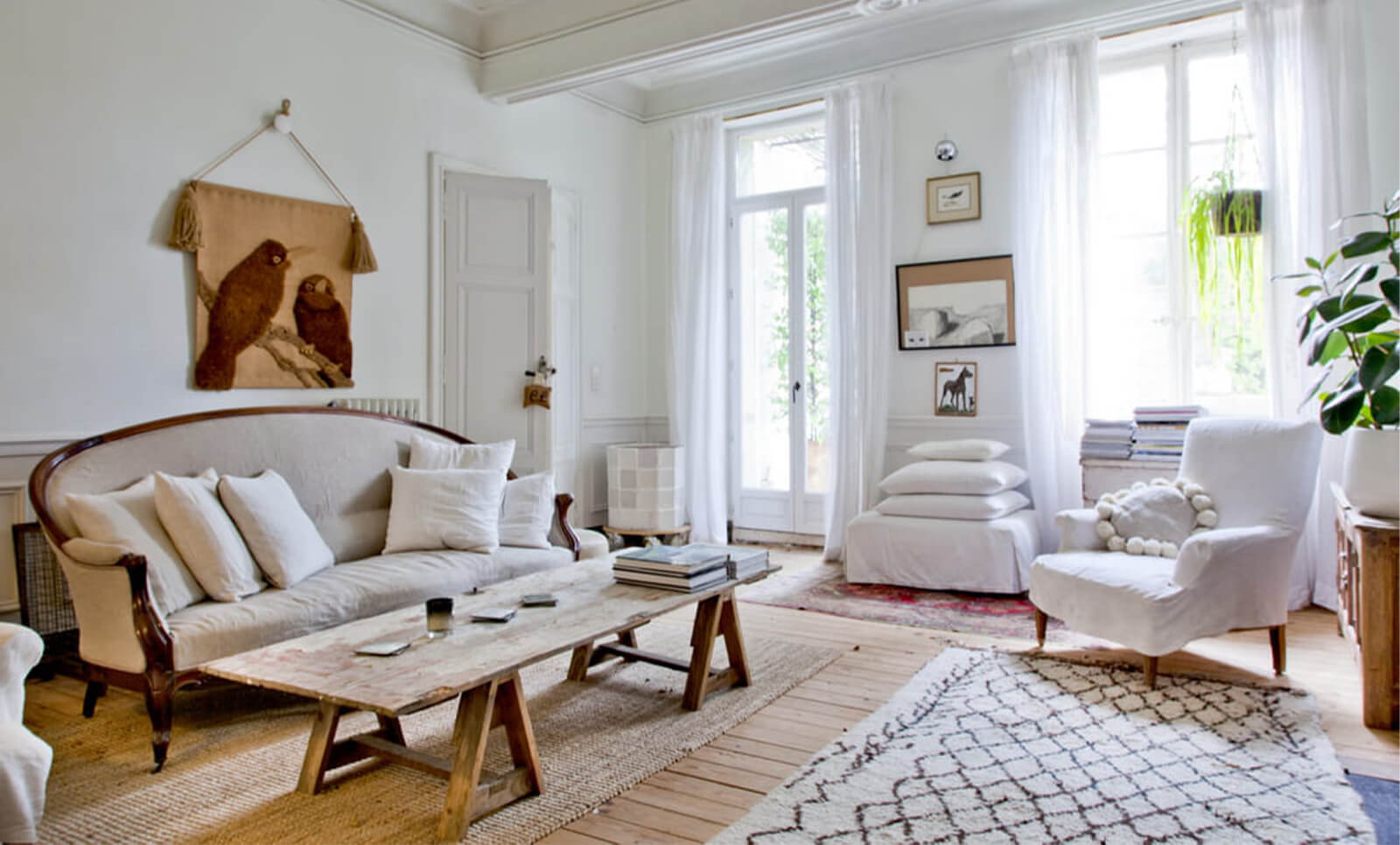
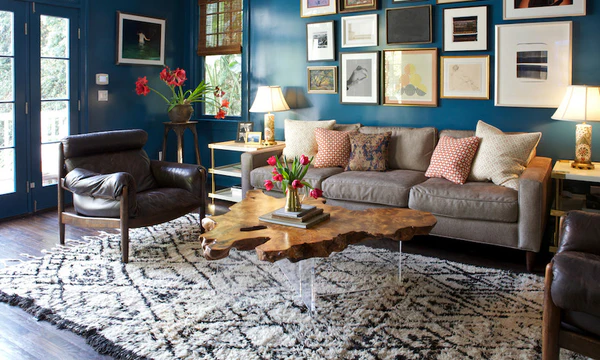
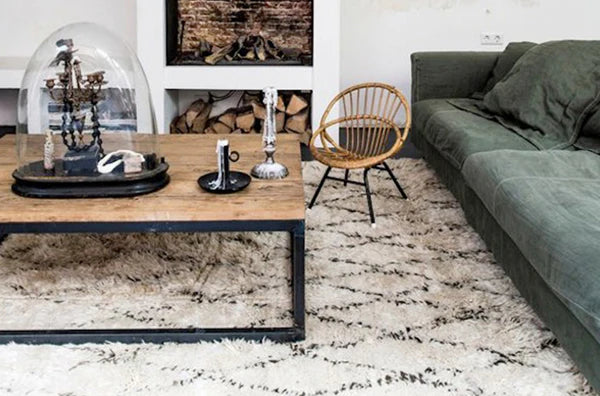
The most popular rug is Beni Ourein from the Atlas Mountain area in Morocco. A distinctive characteristic of Bein is its thick wool and refined black geometrical motifs on white wool.
Azizal Carpets: These rugs originate from Beni Mellal and are woven at a short height. The color combinations of the rugs vary with the seasons in which they are woven.
Bouchertouite Carpets: The colorful carpets are made with recycled fabrics, cotton nylon, and wool scraps. Women collect them from neighbors.
The majority of Moroccan rugs are produced in the Central Atlas, but rugs from South Morocco, the Khenifra region, and the Ait Ouaouzguites tribes are also popular worldwide.
For those interested in reading more, checkout our tapisbeniouarain blog which offers a deep dive into the subject.
How Can You Identify an Authentic Moroccan Rug?
You can identify an authentic piece by carefully observing the details given below. All characteristics of Moroccan rugs can be found in genuine pieces:
They are soft because of pure wool.
Each rug has unique symbols and colors, and an area or tribe is mentioned on the rug, highlighting one of the main characteristics of a Moroccan rug.
Minor imperfections or irregularities on geometrical designs because they are handmade.
Have higher knot density.
You can test the colorfastness of a wet napkin by pressing it against the rug. If no dye appears, it is colorfast. The synthetic dyes stain wet napkins.
Distinctive weaving techniques; knotted, flat weave, or weft substitution.
Use a flat nozzle vacuum. It’s another tip to maintain the characteristics of a Moroccan rug.
If you spill anything, spot-clean only with water or mild dishwashing soap.
Shake the rug vigorously to keep dirt and dust from setting on the carpet.
Hire a professional cleaning team.
Take the rug in fresh air every two weeks to prevent microbial growth.
Protect from sunlight, as it will fade the colors. Rotate the rug every three months to prevent discoloration.
Avoid brushing on Moroccan rugs to prevent fiber damage.
Do not use harsh chemicals.
It’s normal if you see any loose fiber, carefully cut it but do not pull the wool.
Conclusion
Moroccan rugs are more than just rugs. Each rug tells a story of its unique culture and history. From subdued Berlin rugs to vibrant Azizal carpets, every design is a distinctive expression of their Moroccan heritage.
Understand the characteristics of a Moroccan rug so that you don’t purchase a counterfeit one. They’ll add warmth, character, and global charm to your home, all while elevating your decor!
For many years, Moroccan rugs have been celebrated all over the world for their exceptional craftsmanship combined with an unmatching aesthetic, and that makes them extremely famous. These Berber rugs promise maximum comfort and warmth, having captivating magic in them to uplift the level of beauty in your home or workspace. Let’s look at some…
Few objects in the contemporary interior have achieved the cultural crossover that Beni Ourain rugs have. They sit comfortably in a Marrakech riad and a Copenhagen apartment. They anchor rooms designed around midcentury furniture and rooms where everything is reclaimed and rough-hewn. They look entirely at home in a fashion designer’s loft and a mountain…
Moroccan rugs have captured the hearts and homes of people around the globe, becoming a staple in interior design. Their international popularity stems from not only their stunning aesthetics but also their deep cultural roots and quality craftsmanship that Morocco has cultivated over centuries. In this blog, we’ll explore what makes Moroccan rugs so unique,…
Moroccan rugs have captured the hearts and homes of people around the globe, becoming a staple in interior design. Their international popularity stems from not only their stunning aesthetics but also their deep cultural roots and quality craftsmanship that Morocco has cultivated over centuries. In this blog, we’ll explore what makes Moroccan rugs so unique,…
Moroccan rugs have captured the hearts and homes of people around the globe, becoming a staple in interior design. Their international popularity stems from not only their stunning aesthetics but also their deep cultural roots and quality craftsmanship that Morocco has cultivated over centuries. In this blog, we’ll explore what makes Moroccan rugs so unique,…
Moroccan rugs have captured the hearts and homes of people around the globe, becoming a staple in interior design. Their international popularity stems from not only their stunning aesthetics but also their deep cultural roots and quality craftsmanship that Morocco has cultivated over centuries. In this blog, we’ll explore what makes Moroccan rugs so unique,…
Join our newsletter
Be the first to know about our new arrivals, exclusive offers and the latest fashion update.
By subscribing, you agree to our privacy policy.
We care about your privacy
In order to provide you a personalized shopping experience, our site uses cookies. By continuing to use this site, you are agreeing to our cookie policy.
Review Cart
No products in the cart.
Select the fields to be shown. Others will be hidden. Drag and drop to rearrange the order.